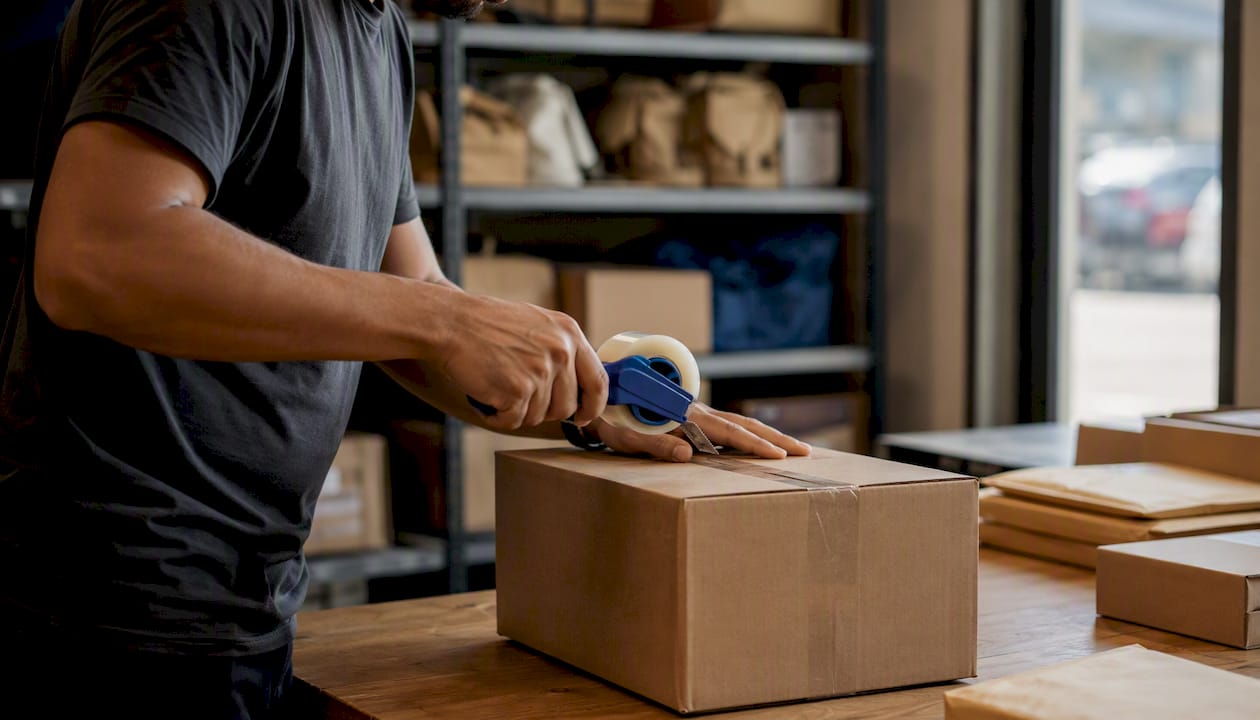
A third-party logistics provider, or 3PL, is an outsourced partner that handles warehousing, order fulfillment, and transportation so a brand can scale without buying trucks, leasing warehouses, or hiring a fulfillment team. The ASCM treats 3PL as a core supply chain discipline, not a niche service, and Shopify estimates that outsourcing logistics can cut costs by roughly 20 to 35 percent for brands that make the switch at the right volume.
That said, a 3PL is not the answer for everyone.
- Use one when: order volume is climbing, you face seasonal spikes, or you lack warehouse space and delivery infrastructure.
- Skip one when: your volume is still small enough to fulfill from a spare room, or your product needs hands-on quality control you’re not ready to hand off.
- Watch for: picking the wrong model. A 3PL, a 4PL, and a freight forwarder solve different problems, and mixing them up costs money later.
Key Takeaways
A 3PL cuts logistics costs by an estimated 20 to 35 percent for brands that outsource warehousing, fulfillment, and transportation at the right scale.
| Point |
Details |
| Definition matters |
A 3PL executes logistics for a brand; a 4PL manages multiple 3PLs and broader strategy. |
| Core services checklist |
Confirm receiving, inventory management, pick and pack, transportation, and reverse logistics are covered. |
| Cost savings are real but conditional |
Savings of 20 to 35 percent typically appear after sustained operation, not the first invoice. |
| Pilot before you sign |
Test integration, simulate a seasonal spike, and reconcile the first invoice line by line. |
| Local pilots reduce risk |
Get It Picked offers same-day pickup, delivery, warehousing, and reverse logistics with measurable pilot KPIs in Nova Scotia. |
Table of Contents
What Is 3PL? A Clear Definition With Real Examples
Third party logistics services explained simply: a brand hires an outside company to execute the physical and operational side of getting products to customers. The brand still owns the relationship with the customer and controls the product. The 3PL just runs the machinery in between, coordinating with carriers who complete the final leg. Think of it as the difference between owning a restaurant and owning the delivery fleet that brings food to the table. Most retailers own the restaurant; they rent the fleet.
Two examples make this concrete. An online skincare brand integrates its Shopify store with a 3PL’s warehouse management system, so every new order flows automatically into a pick-and-pack queue, and packages ship the same or next day. A regional grocery chain uses a network of 3PL-run distribution centers to keep shelves stocked across a dozen stores, avoiding the cost of building its own regional depots.
Both cases show the same split: the brand manages strategy and customer relationships, while the 3PL executes logistics. That distinction becomes more important later, when providers start blending into 4PL and 5PL territory by managing logistics decisions, not just running them.
Core 3PL Services: What Providers Actually Do Day to Day
A 3PL’s day-to-day work covers a lot more ground than “store and ship.” According to Maersk’s breakdown of the model, the core functions include:
- Receiving: inspecting and logging inbound inventory as it arrives.
- Warehousing and storage: holding stock securely, often across multiple facility zones.
- Inventory management: tracking stock levels in real time to prevent shortages or overstock.
- Picking and packing: assembling orders accurately and efficiently.
- Transportation and carrier coordination: selecting and managing carriers to move freight.
- Last-mile delivery: getting the package from a local hub to the customer’s door.
- Reverse logistics: processing returns, refurbishing goods, and restocking.
- Kitting and assembly: bundling multiple items into a single sellable unit.
- Value-added services: custom labeling, branded packaging, and gift wrapping.
- Reporting and visibility: dashboards showing order status, stock levels, and shipping performance.
Each function protects a different part of the business. Inventory management, for instance, is what keeps a bestselling product from disappearing off the shelf during a sales spike. Reporting is what lets a founder catch a fulfillment problem before angry customers do.
None of this runs on spreadsheets anymore. Project44 notes that modern 3PLs lean on warehouse management systems, transportation management systems, and API connections to sync data between the brand’s storefront and the provider’s warehouse floor in real time. That technology layer is what turns a warehouse into a logistics partner instead of a storage locker.
Not all 3PLs operate the same way. Asset-based providers own their trucks and warehouses, giving them more control and often better rates because they’re not paying a middleman. Non-asset-based 3PLs lease capacity from carriers and facilities as needed, which trades some negotiating power for flexibility, useful for brands with unpredictable volume.
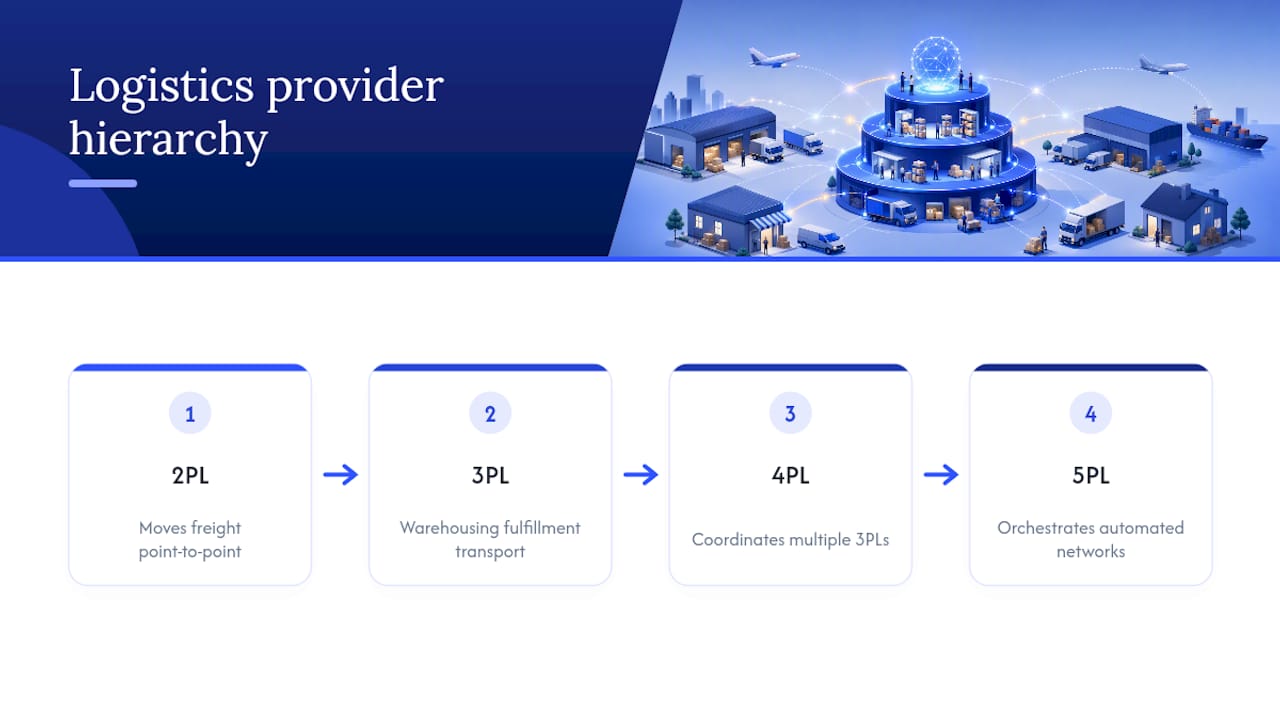
The provider hierarchy gets confusing fast, so here’s the short version. A 2PL is a basic carrier that just moves freight from point A to point B. A 3PL manages the broader logistics function: warehousing, fulfillment, and transportation together. A 4PL sits a level above, coordinating multiple 3PLs and technology systems on a brand’s behalf, essentially managing the managers. A 5PL is a newer term for providers that orchestrate complex, large-scale e-commerce networks using heavy automation and data, according to Wikipedia’s overview of the field.
One more distinction trips people up: a freight forwarder arranges international shipping and customs paperwork but usually doesn’t warehouse or fulfill orders. A 3PL does both, which is why the two get lumped together in casual conversation but shouldn’t be in a contract.
Benefits of Using a 3PL
The case for outsourcing logistics comes down to money, speed, and focus.
- Cost savings: outsourcing avoids the capital expense of warehouses, forklifts, and delivery fleets.
- Scalability: a 3PL absorbs seasonal spikes without you hiring and firing warehouse staff every quarter.
- Geographic reach: regional warehouses shorten delivery times to customers across a wider area.
- Carrier rate access: established 3PLs negotiate shipping rates most individual brands can’t get on their own.
- Operational expertise: experienced teams catch fulfillment errors before they become customer complaints.
- Sharper focus: founders spend time on product and marketing instead of picking boxes.
- Better returns handling: dedicated reverse logistics workflows process refunds and restocks faster.
Shopify reports that brands can cut logistics costs by roughly 20 to 35 percent when they outsource to a 3PL at the right scale. Beyond the balance sheet, there’s a quieter benefit too: time. A founder who isn’t driving to the post office every afternoon can spend that hour testing a new market or a new product line instead.
Disadvantages, Risks, and Red Flags to Watch For
Handing off logistics means handing off some control, and that’s the tradeoff every brand needs to weigh honestly. NetSuite points out that the biggest risk is losing direct oversight of the customer experience. If your 3PL ships late or mispacks an order, the customer blames you, not them.
Other risks stack on top of that: technology mismatches between your storefront and the provider’s systems, dependence on a partner whose own operations might falter, billing structures that hide markups inside carrier fees, and compliance gaps if the provider handles multiple states or countries without proper permits.
When reviewing a proposal, watch for vague reporting, unclear chargeback policies, weak insurance or claims coverage, and no offer of a sandbox environment to test integrations before committing.
Pro Tip: Run a small pilot with real inventory before signing a long-term contract, and reconcile your first month of invoices line by line. That single step catches most billing surprises before they become expensive habits.
How 3PL Relationships Work: Contracts, Pricing, and Timelines
Most 3PL contracts price around a handful of common models: per-order or per-pick-and-pack fees, storage charged per pallet or SKU, flat subscription or retainer rates, and pass-through carrier costs with a margin added on top. Many providers mix two or three of these into a hybrid structure, so ask for a full breakdown before signing anything.
Service level agreements are where the relationship gets real. Push for specific, measurable targets: order accuracy above 99 percent, on-time shipment rates in the high 90s, and inventory accuracy that leaves little room for “we’ll recount it next week.” These numbers should be reported regularly, not just promised in the sales pitch.
Onboarding typically follows a predictable arc: data and system integration first, then an initial stock transfer, then a trial period to catch problems while volume is still low, and finally a full cutover. Because 3PL relationships are strategic rather than transactional, cost efficiencies tend to show up after sustained operation, not in the first invoice. Budget a few months before the savings fully materialize.
How to Choose a 3PL: Checklist, Questions, and Trust Signals
Picking a provider comes down to five categories: capability, integration, cost, risk, and service levels. Before requesting a proposal, confirm the provider can run a pilot, since that’s the single fastest way to see how they actually operate rather than how they describe themselves.
- What order volume can you handle during peak season without service degradation?
- Which SKU types or product categories do you have the most experience fulfilling?
- What warehouse management and transportation management systems do you run?
- Can you provide an API sandbox before we commit to full integration?
- How do you handle real-time inventory sync with our storefront platform?
- What is your standard order accuracy rate over the past 12 months?
- How are storage, pick, and shipping fees itemized on the invoice?
- Do you front carrier costs and bill later, and if so, how is that reconciled?
- What insurance coverage applies to lost or damaged inventory?
- How are claims for damaged or missing shipments processed and paid?
- Can you share references from clients in our industry or product category?
- What happens operationally if your facility loses power or systems go down?
Trust signals worth verifying include industry certifications, named client references in a similar category, transparency about which WMS or TMS they run, proof of insurance, and a willingness to guarantee capacity in writing rather than verbally. Shopify’s own buyer guidance echoes this: ask for sample throughput metrics and a sandbox before you sign, not after.
Specialized 3PL Services and Industry Examples
Some products need more than a standard pick-and-pack warehouse. Cold chain logistics keeps temperature-sensitive goods like food and pharmaceuticals within a required range from receiving to delivery. Hazardous materials handling requires certified storage and transport permits. Bonded warehousing lets goods sit in storage before duties are paid, useful for international freight forwarding. Kitting and assembly bundle multiple SKUs into one unit before shipping, common in subscription boxes. E-commerce returns and refurbishment processing has become its own specialty as return volumes climb.
If your product falls into a regulated category, healthcare, food, or hazardous goods among them, confirm the provider holds current certificates and permits before signing anything. Pharma brands, food companies, and electronics manufacturers with sensitive components are the sectors that most often need a specialized 3PL rather than a generalist one. Packaging choices matter here too. A guide to warehouse packaging shows how the right materials protect inventory through repeated handling.
Real-World Example: On-Demand Same-Day 3PL Workflows
Here’s how an on-demand same-day 3PL flow actually runs in practice. A customer or business places an order through an app. Dispatch assigns a driver, who picks up the item, whether that’s a parcel, medical supply, or retail order, from the warehouse or the seller’s location. If the order needs holding or consolidation, it moves through a short staging step. From there, it goes straight to the customer, with GPS tracking and proof of delivery captured at drop-off.
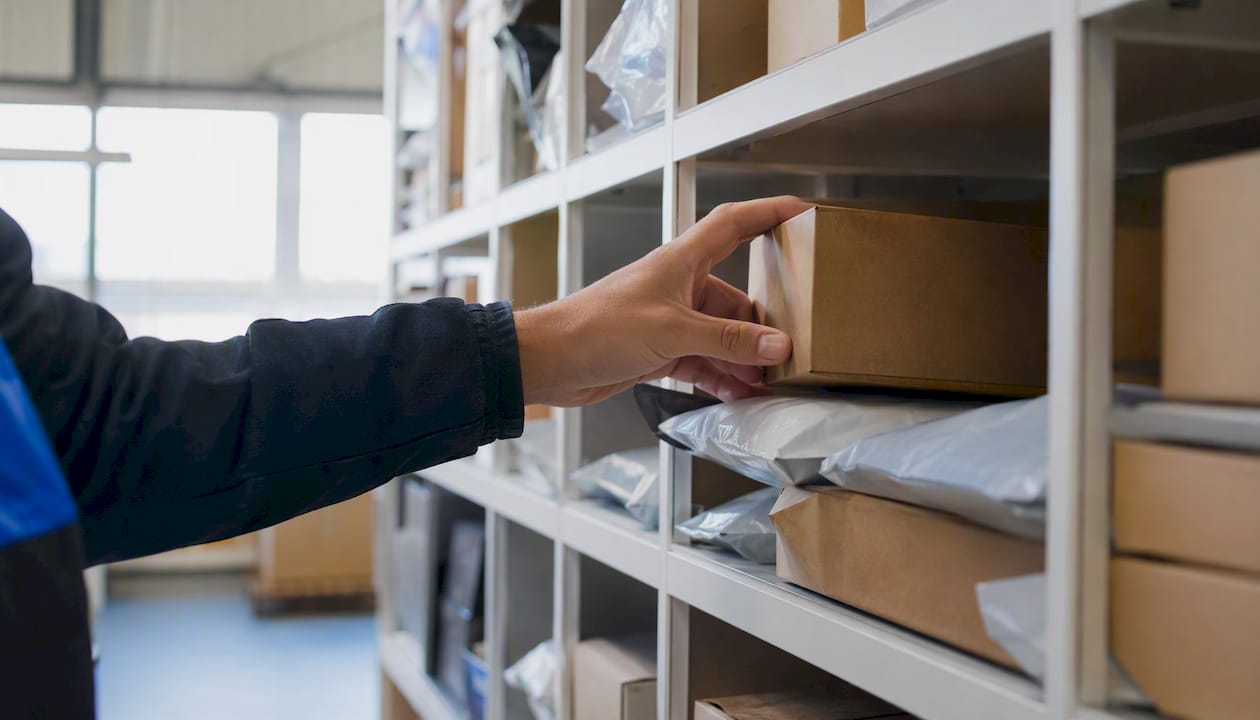
Local operators like Get It Picked run this model daily across Nova Scotia, handling everything from order fulfillment to same-day drop-offs.
Pro Tip: Before locking in a contract, test the provider’s response during your actual peak hours, not their quiet Tuesday afternoon. A provider that looks fast at noon can look very different at 5 p.m. on a Friday.
When I’d Pick a 3PL and the First Tests I’d Run
A 3PL earns its keep when growth outpaces your physical space, when you’re expanding into new geographies, or when speed to customer has become a competitive requirement rather than a nice-to-have. If your volume is still small and predictable, keeping fulfillment in-house often gives you tighter control over quality at a lower fixed cost.
Before committing to any provider, run three quick tests: an integration test to confirm your systems actually talk to theirs, a one to two week seasonal simulation to see how they handle a volume spike, and a full invoice reconciliation to make sure the billing matches what was promised.
If You Need Fast Local Fulfillment, Here’s How Get It Picked Approaches 3PL
Most 3PL explainers leave you comparing faceless national warehouses with vague pricing pages. Get It Picked works differently: it’s a Nova Scotia-based operator offering same-day pickup and delivery, real-time tracking, proof of pickup and delivery, warehousing, and reverse logistics, all without locking you into a long-term national contract before you’ve seen how the service performs locally.
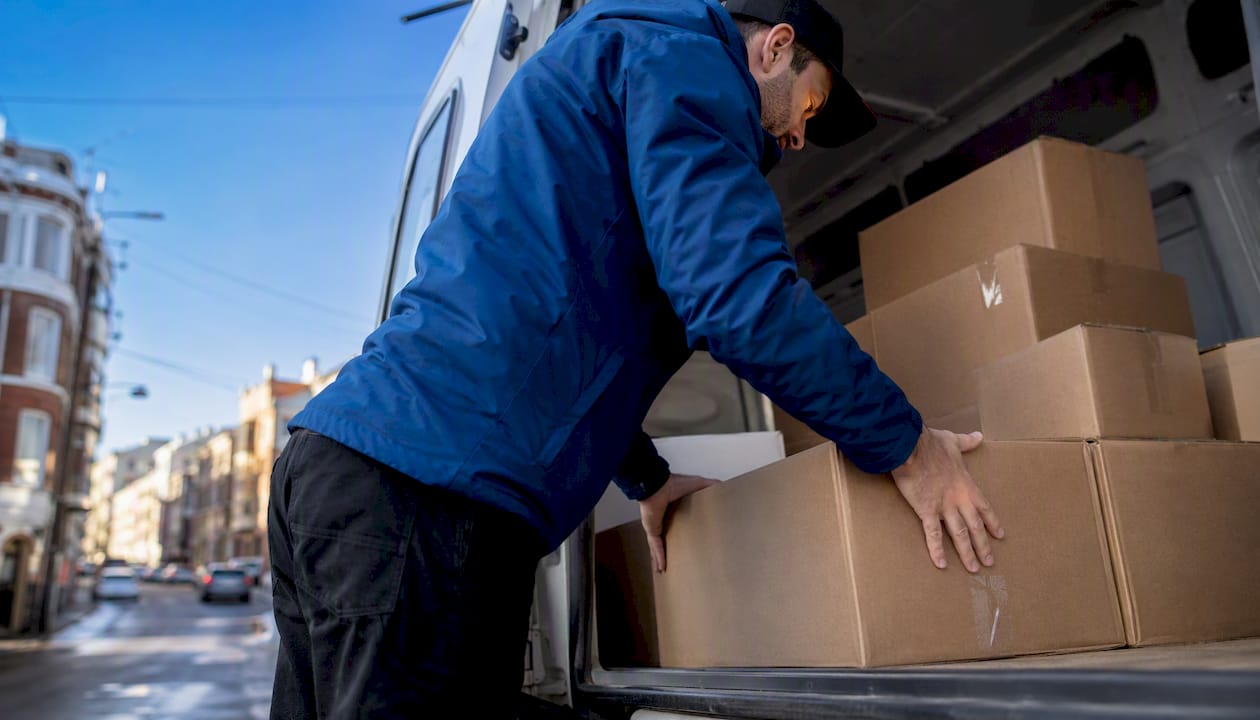
A typical pilot runs over a short local trial period with a sample SLA and measured KPIs like on-time delivery rate and order accuracy, so you can see real numbers before committing to anything longer. If you’re evaluating whether a 3PL fits your business, start by requesting a same-day delivery service quote and see how a local pilot performs against your busiest week.
Frequently Asked Questions
What does 3PL stand for and what does it actually mean?
3PL stands for third-party logistics: an outside company that handles warehousing, fulfillment, and transportation on behalf of a brand, letting the brand skip the capital cost of building that infrastructure itself.
What is the difference between 3PL and fulfillment services?
Fulfillment is one function inside a 3PL’s broader offering. A 3PL typically covers fulfillment plus warehousing, transportation coordination, and reverse logistics, while a fulfillment-only provider may just pick, pack, and ship.
How much does a 3PL cost?
Pricing usually combines per-order fees, storage charges by pallet or SKU, and pass-through carrier costs with a margin added. Exact rates vary widely by provider and volume, so request an itemized quote rather than comparing headline numbers.
Is a 3PL the same as a freight forwarder?
No. A freight forwarder mainly arranges international shipping and customs documentation. A 3PL typically handles that plus warehousing and order fulfillment, a broader scope of the supply chain.
How long does it take to onboard a new 3PL?
Onboarding generally moves through data integration, an initial stock transfer, a trial period, and then full cutover. Most brands should expect a few months before cost efficiencies fully show up in the numbers.
Sources
Recommended